Portland Signature: A Handwritten Font with Timeless Appeal
There’s something undeniably comforting about the way a handwritten font can bring warmth to a design. I recently found myself in the midst of redesigning a lifestyle blog header, and as I scrolled through font options, Portland Signature caught my eye. Its flowing curves and elegant touch felt like a breath of fresh air, a reminder that not all fonts need to be rigid or formal. Within minutes, I had it installed and began experimenting with how it could shape the mood and identity of the publication.
Elegance in Motion
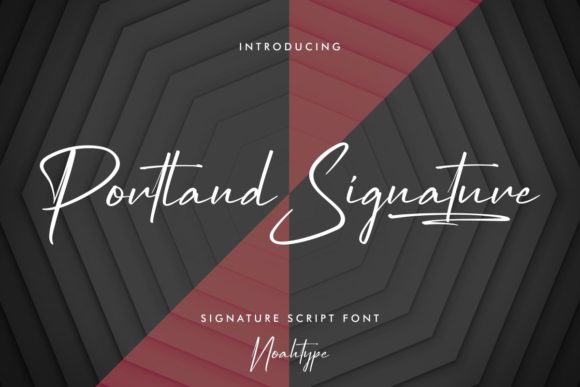
Portland Signature is a script font that feels both personal and professional. It has a rhythm to it—each letter flows into the next with a natural grace that feels almost like cursive handwriting. This makes it ideal for editorial projects where a human touch is essential. The font carries an air of sophistication without being overly ornate, making it versatile enough to suit a range of content styles.
What stood out most was its ability to convey emotion. Whether used for a pull quote in an editorial layout or as a chapter opener in a coaching workbook, Portland Signature adds a sense of intentionality to the text. It doesn’t just display words—it tells a story through form and motion.
Real-World Applications in Editorial Design
I tested Portland Signature across several publishing scenarios. For a digital magazine layout, I used it for section headings and cover titles. It brought a cohesive visual hierarchy to the design, guiding readers through the content with ease. When paired with a clean sans serif font for body copy, the contrast was subtle yet effective, ensuring readability wasn’t compromised.
In a printable planner project, I applied the font to weekly headers and event titles. Its soft, flowing nature added a layer of approachability, making the planner feel more inviting than traditional grid-based designs. For a wedding guide, it worked beautifully on invitations and feature pages, lending an air of elegance that complemented the theme perfectly.
However, I also noted that Portland Signature may not be the best choice for dense paragraphs or small captions. Its expressive style is better suited for decorative accents, titles, and pull quotes rather than long-form reading. This makes it a great companion for other fonts when building a layered editorial design.
Readability Across Formats
When considering screen reading and mobile layouts, it's important to ensure that a font remains legible at smaller sizes. Portland Signature holds up well in these environments, especially when given adequate spacing and line height. For print materials, its ink-trace aesthetic translates beautifully, adding texture and character to physical publications.
For PDF exports and digital downloads, I recommend testing the font at different resolutions and scaling levels to ensure consistency. It’s also worth noting that while it’s a premium font, its commercial licensing allows for use in ebooks, templates, and client publications, making it a reliable choice for content creators who value quality typography.
Font Pairing and Practical Considerations
One of the joys of using a script font like Portland Signature is the opportunity to experiment with font pairing. I found that combining it with a modern serif font for body copy created a balanced editorial look. For captions and navigation elements, a clean sans serif font provided clarity without competing with the expressive nature of the script.
Before finalizing any design, it’s always wise to check what styles, alternates, ligatures, and weights are included in the font family. While Portland Signature offers a strong foundation, knowing the full range of features helps in tailoring the design to specific needs. Additionally, confirming multilingual support is key if the content will be shared globally.
Whether you're designing a course PDF, newsletter graphic, or editorial feature page, Portland Signature brings a unique charm that elevates the visual storytelling of your work. It’s a font that feels timeless, yet entirely relevant to today’s creative projects.